
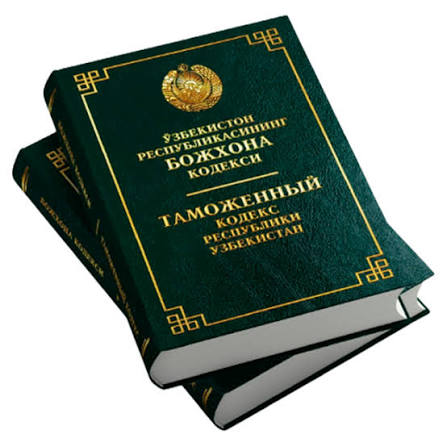
Section VII. Declarant, Customs Broker, and Customs Clearance Specialist
Chapter 39. Declarant
Customs Code of the Republic of Uzbekistan
Article 274. Requirements for a Declarant
A declarant may be:
1) a legal entity or an individual of the Republic of Uzbekistan;
2) a foreign person:
an individual transporting goods for non-commercial purposes;
a person entitled to customs privileges in accordance with Section X of this Code;
a permanent establishment of a non-resident in the Republic of Uzbekistan, formed in accordance with the legislation;
a person maintaining a representative office accredited within the territory of the Republic of Uzbekistan in the prescribed manner—when declaring customs regimes for temporary importation, re-exportation, or customs transit, as well as the customs regime of release for free circulation (importation) of goods brought in for the internal needs of such representative offices;
a carrier, when transporting goods under customs control.
Article 275. Rights of a Declarant
When declaring goods, a declarant has the right to:
inspect and measure goods, and take samples and specimens thereof, under customs control, prior to the submission of a customs declaration and other documents required for customs purposes;
be present during the customs clearance of goods and/or means of transport, and during the inspection of goods by customs officials, including when such officials take samples and specimens;
review the results of analyses performed by customs officials on samples and specimens of goods;
access the customs control zone for the purpose of carrying out customs clearance operations;
obtain information and consultations from customs authorities regarding customs matters;
notify customs authorities of an intention to remove goods and/or means of transport from the customs territory;
prepare drafts of documents required for customs purposes during the performance of preliminary operations. to place declared goods and/or vehicles under customs control in customs warehouses;
to access the information systems of customs authorities, which are intended for the submission of documents and information required for the electronic declaration of goods.
When determining the customs value of goods, the declarant has the right to:
prove the accuracy of the information submitted to the customs authority and used in determining the customs value of the goods;
if it becomes necessary to clarify the declared customs value of the goods, to use the declared goods—with the permission of the customs authority—provided that the payment of customs duties and taxes is secured, or that such duties and taxes are paid based on the customs value as determined by the customs authority;
appeal a decision made by a customs authority, or the actions (or inaction) of its officials regarding the determination of the customs value of goods, in accordance with the procedures established by legislation.
The declarant may also possess other rights in accordance with the legislation.
Article 276. Obligations of the Declarant
The declarant is obligated to:
declare the goods and/or vehicles;
submit to the customs authority the documents and/or information necessary for customs purposes, including information regarding compliance with veterinary, phytosanitary, environmental, and other types of state control requirements imposed by authorized bodies with respect to the declared goods and/or vehicles;
present the goods and/or vehicles being moved across the customs border upon the request of the customs authority;
carry out the weighing or other methods of determining the quantity and quality of the goods, as well as perform cargo-handling operations in relation to the declared goods and/or vehicles, upon the request of the customs authority;
correctly calculate customs duties and taxes;
pay customs duties and taxes or provide security for their payment in accordance with Chapter 47 of this Code. to be present, at the request of the customs authority, during the customs clearance of goods and/or transport vehicles, and to assist customs officials in the customs clearance process;
to comply with the requirements and conditions of the customs regime under which the goods and/or transport vehicles have been placed;
when declaring goods and/or transport vehicles, to promptly inform the customs authorities of any discovered alteration, destruction, damage, or loss of customs identification means, damage to containers or packaging, or any discrepancy between the goods and the information contained in the accompanying commercial documents or other documents required for customs control.
When determining the customs value of goods, the declarant is obligated to:
declare the customs value of the goods to the customs authority;
provide, at the request of the customs authority, information relevant to the determination of the customs value of the goods.
Any costs incurred by the declarant in connection with the clarification of the declared customs value of the goods or the provision of additional information to the customs authority shall be borne by the declarant. An extension of the customs clearance period resulting from the determination of the customs value may not be used by the declarant to obtain...
PE "UMUMIY XIZMAT"

27 October, 2026

24 July, 2026

13 November, 2026

29 October, 2026

13 November, 2026